

Description
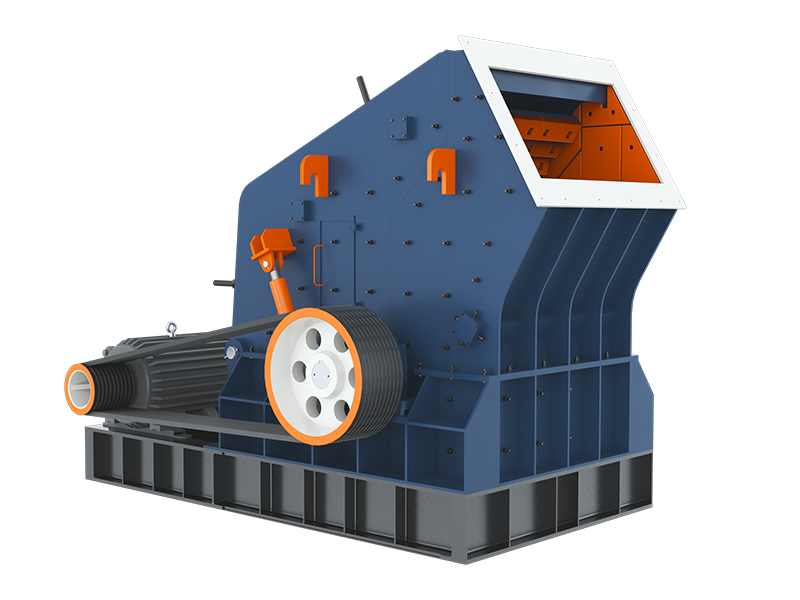
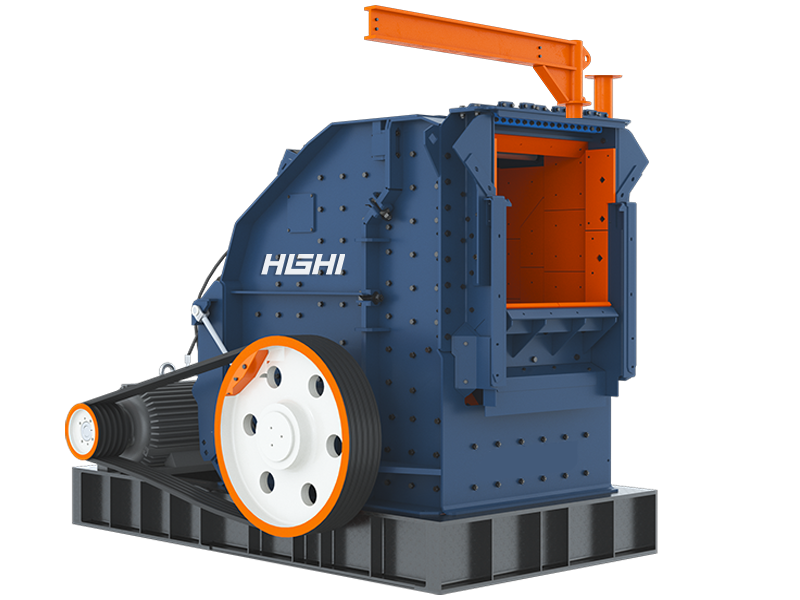
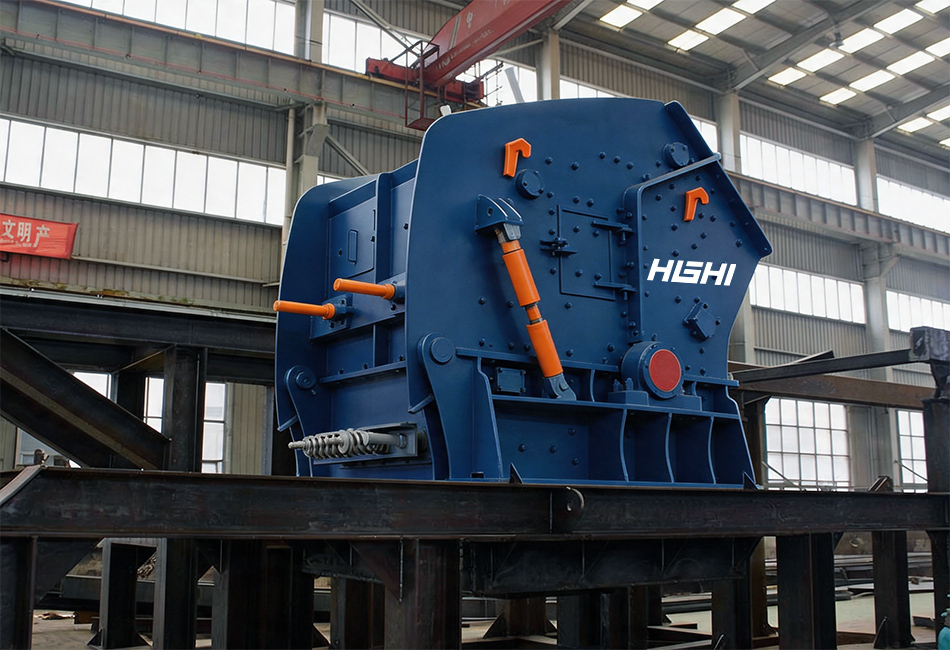
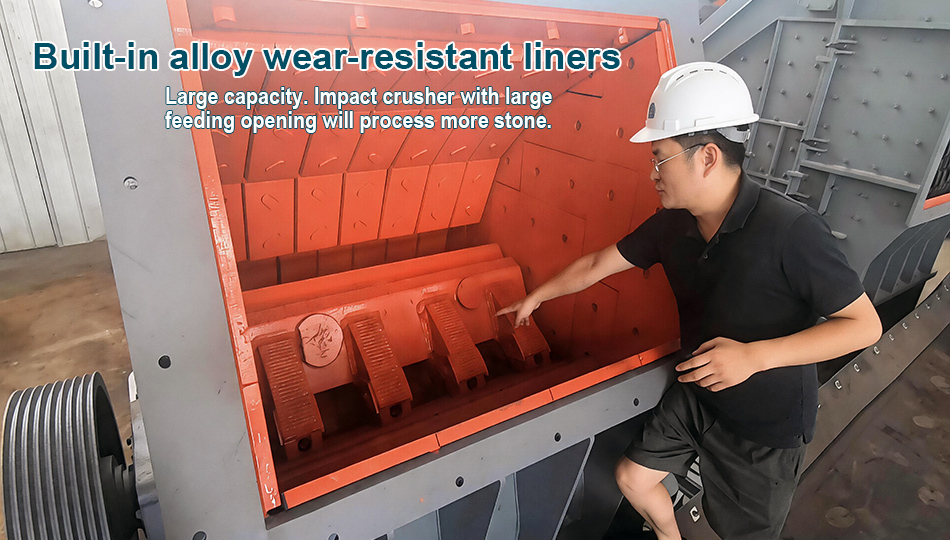
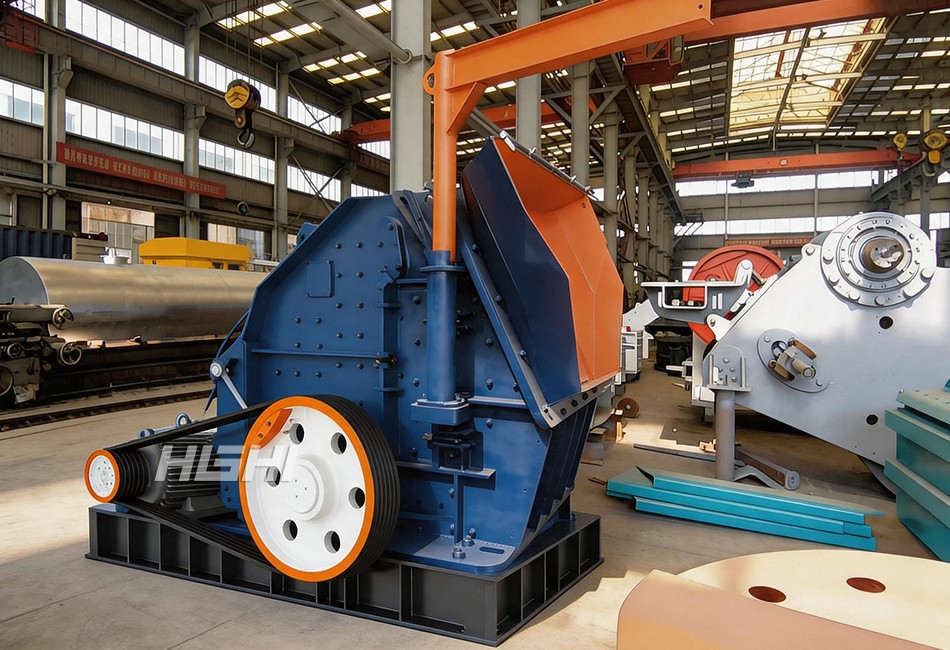
The impact crusher offered by HGHI is a high-efficiency crushing unit. It is designed with a large feed opening to handle larger and greater volumes of materials. Equipped with a hydraulic cavity opening system, it greatly simplifies routine maintenance.
Featuring a large crushing ratio, the machine produces finished materials with excellent cubical particle shape. It is widely used in building materials, ore processing, transportation, energy and chemical industries for medium and fine crushing. The discharge particle size is adjustable. It is suitable for both stationary production lines and mobile crushing plants.
Performance Advantages
- Strong processing capacity, high crushing efficiency
High-precision heavy-duty rotor design with large moment of inertia, combined with the overall manufacturing process of CNC machine tools, the rotor running speed is greatly increased, and the processing capacity is significantly increased; The optimized design of involute crushing chamber has high crushing efficiency and good finished particle shape. - Stable and reliable, low failure rate
High wear-resistant material plate hammer, impact plate, high strength and good quality steel, international brand bearings and other multi-directional reliability design, to ensure that the product is always in continuous and reliable operation, and early failure rate is reduced. - Convenient operation and maintenance, low operating cost
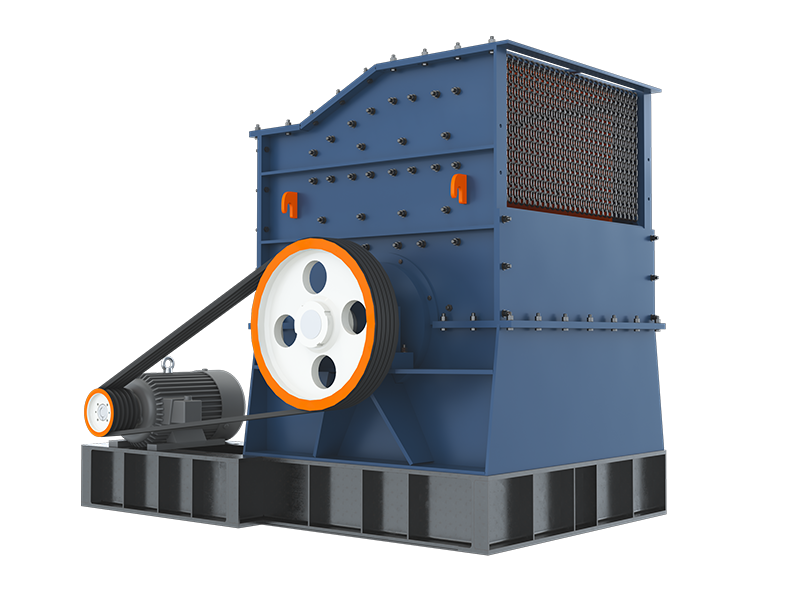
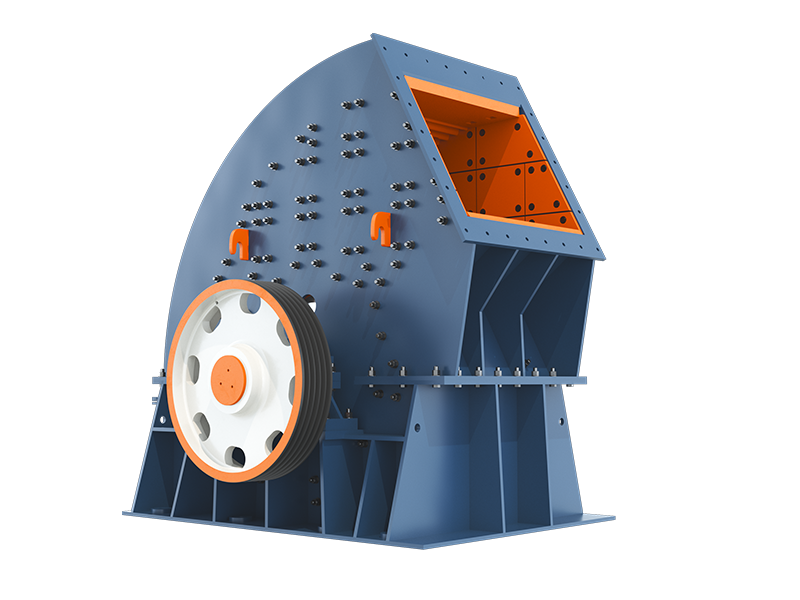
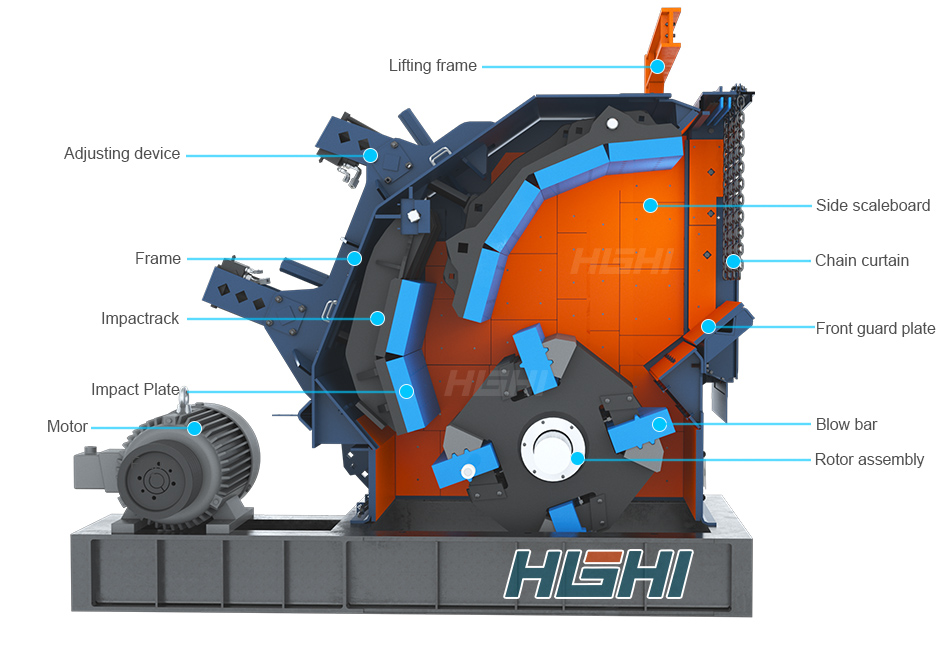
The impact crusher mainly consists of the main frame, rotor assembly, blow bars, impact plates, adjusting rods, feed inlet, discharge outlet and transmission system. The internal wear-resistant liners protect the body from strong impact, while the rotor and blow bars are the core working parts for material crushing.
Working Principle
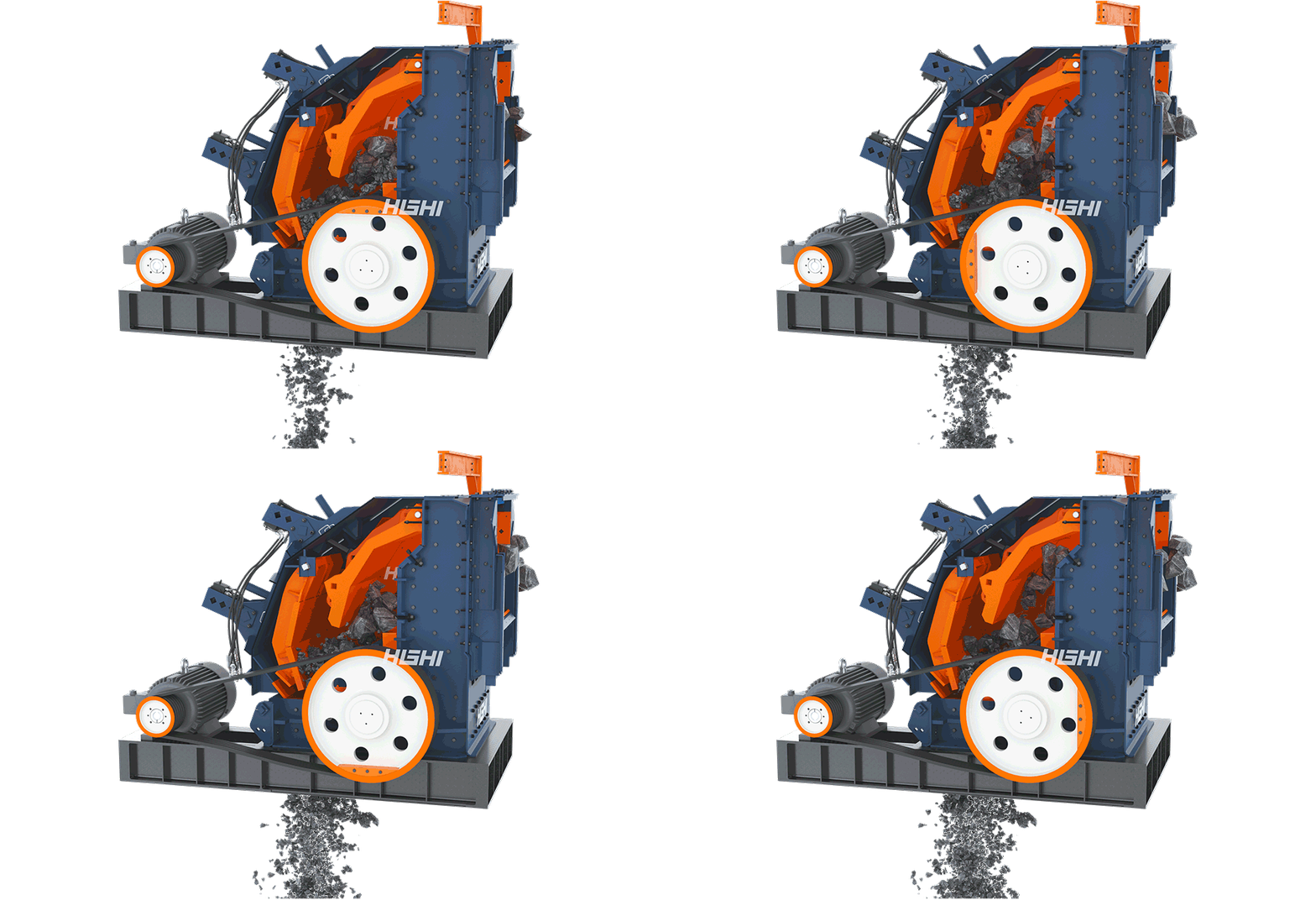
The impact crusher crushes materials by impact energy. When the machine starts up, the motor drives the rotor to rotate at high speed. After materials enter the working area of blow bars, they are struck and crushed by the blow bars mounted on the rotor, then thrown to the impact devices for secondary crushing. The materials rebound from the impact liners back to the working area of the blow bars for repeated crushing. This cycle continues until the materials are reduced to the required particle size, and finally discharged from the outlet. Adjusting the gap between the impact frame and the rotor can change the discharge particle size and grain shape of finished materials.
More Pictures
Question&Answer
Q:What kind of materials is the Impact Crusher best suited for?
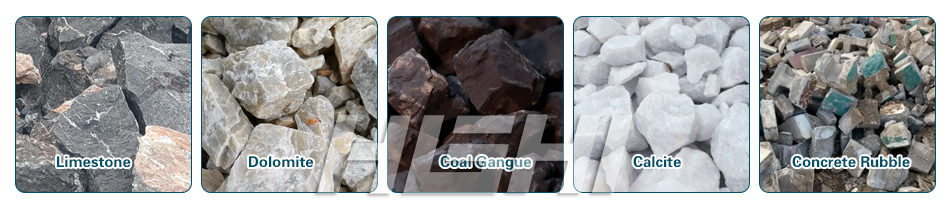
A:Our impact crushers are ideally suited for processing soft to medium-hard materials with a compressive strength of up to 150-300 MPa, such as limestone, gypsum, concrete (recycling), and calcite. While it can process harder rocks like granite or basalt, doing so will accelerate the wear on the blow bars. For extremely hard materials, we recommend using our Hydraulic Cone Crusher.
Q:"Which size of impact crusher is suitable for crushing construction waste?"
A:Choosing an Impact Crusher to process construction waste for recycled aggregates is an incredibly smart and strategic decision. Impact crushers excel at crushing construction and demolition (C&D) waste with outstanding efficiency.
To help you find the absolute best-suited setup for your project, here are the key factors you need to consider:
1\ Feeding Size Restrictions: If your raw material size exceeds 800mm, it cannot be fed into the impact crusher directly. You will need a Jaw Crusher for primary (rough) crushing first, followed by the impact crusher for secondary processing.
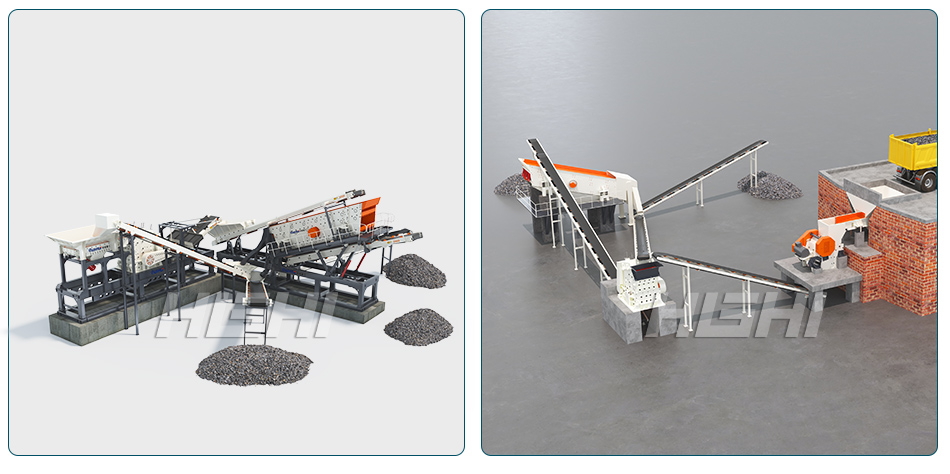
2\ High-Capacity Demands (300–500 TPH): If you require a high output—such as 300 to 500 tons per hour—a Stationary Production Line is required. This involves a large-scale, multi-unit joint production setup to ensure continuous, high-volume performance.
3\ Medium-Capacity Flexibility (100–250 TPH): If your target production is between 100 and 250 tons per hour, a Mobile Impact Crushing Plant is highly recommended. It offers excellent mobility, saves on foundation costs, and is perfect for shifting project sites.
Tell us about your specific project requirements, and our engineering team will customize a turnkey solution just for you!
Technical Data:
| Model | Feed port size(mm) | Maximum feed side length(mm) | Capacity(t/h) | Power(kw) | Weight(kg) |
| LF150 | 820X980 | ≤500 | 100-200 | 90-200 | 12000 |
| LF250 | 960X1360 | ≤700 | 200-400 | 180-250 | 17000 |
| LF350 | 1050X1700 | ≤800 | 300-500 | 200-400 | 24000 |
| LF450 | 1350X1950 | ≤900 | 350-580 | 220-440 | 29600 |